Do Horses Get Cold in Winter
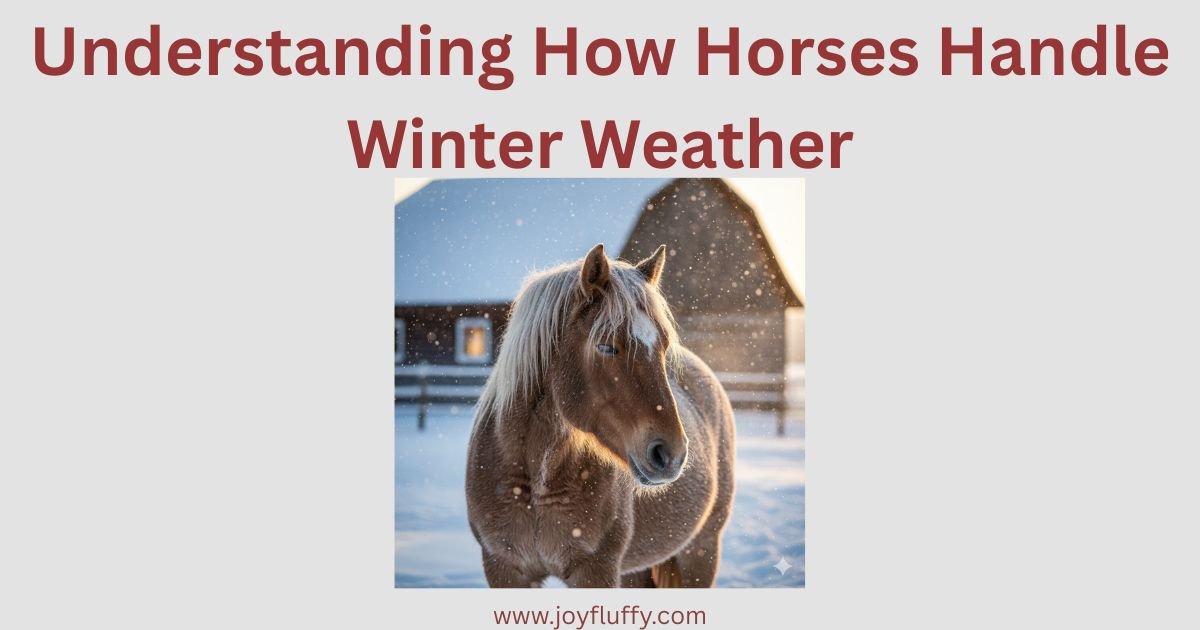
Understanding How Horses Handle Winter Weather
As winter approaches and temperatures begin to drop, many horse owners find themselves wondering: do horses get cold in winter? This question is more complex than it might initially appear, and the answer depends on various factors including breed, age, health status, living conditions, and nutrition. Understanding how horses naturally adapt to cold weather is essential for providing proper care during the winter months.
Horses are remarkably resilient animals that have evolved sophisticated mechanisms to cope with cold temperatures. Unlike humans, who lose heat rapidly in cold conditions, horses possess natural insulation systems that allow them to thrive in surprisingly frigid environments. However, this does not mean that all horses are equally equipped to handle winter weather, nor does it mean that horse owners can simply ignore winter care considerations.
The Science Behind Equine Cold Weather Adaptation
When we ask whether horses get cold in winter, we must first understand the remarkable biological adaptations that enable these animals to regulate their body temperature in challenging conditions. Horses are homeothermic mammals, meaning they maintain a constant internal body temperature regardless of external environmental conditions. This temperature regulation system is highly sophisticated and involves multiple physiological mechanisms working in concert.
Natural Insulation Systems
The primary defense horses have against cold weather is their winter coat. As daylight hours decrease in autumn, horses naturally begin growing a thicker, longer coat. This process is triggered by changes in photoperiod rather than temperature changes, which is why horses begin their winter coat growth even before the weather turns cold. The winter coat consists of longer guard hairs and a dense undercoat that traps warm air close to the skin, creating an insulating layer.
Each hair in a horse’s winter coat can stand erect through the action of tiny muscles called arrector pili. When these muscles contract, the hairs stand up, increasing the thickness of the insulating air layer. This mechanism, called piloerection, is similar to how humans get goosebumps. The effectiveness of this natural insulation system is remarkable. A dry winter coat can provide insulation equivalent to several blankets.
Metabolic Heat Production
Horses generate significant amounts of metabolic heat through the digestion of forage. The fermentation of hay and other fibrous materials in the horse’s large hindgut produces heat as a byproduct. This is why proper nutrition becomes even more critical during winter months. A horse eating adequate amounts of quality hay literally warms itself from the inside out. The digestive process can increase a horse’s core temperature by several degrees, providing a continuous source of internal heating.
Factors That Determine If a Horse Gets Cold
While horses possess impressive cold weather adaptations, several factors influence whether an individual horse will experience cold stress during winter. Understanding these variables helps horse owners make informed decisions about winter care and management practices.
Breed and Body Type Considerations
Different horse breeds have varying levels of cold tolerance based on their evolutionary origins. Breeds developed in northern climates, such as Icelandic horses, Norwegian Fjords, and various draft breeds, typically have more robust cold weather adaptations. These horses grow extremely thick winter coats and may have additional physiological adaptations like enhanced circulatory efficiency in their extremities.
Conversely, breeds originating from warmer climates, such as Arabians, Thoroughbreds, and many other hot-blooded breeds, may be less adapted to severe cold. These horses typically grow thinner winter coats and may require additional protection when temperatures drop significantly. Body type also plays a role. Horses with larger body mass relative to their surface area retain heat more efficiently than smaller, finer-boned horses.
Age and Health Status
Young foals and very old horses are more vulnerable to cold stress than adult horses in their prime. Foals have a higher surface area to body mass ratio, which increases heat loss. Additionally, their thermoregulatory systems are not fully developed. Senior horses may have reduced metabolic efficiency and compromised circulation, making it harder for them to generate and maintain body heat. Horses with health conditions, particularly those affecting metabolism, circulation, or body condition, may also struggle more with cold weather.
Body condition score is critically important when evaluating a horse’s ability to handle cold weather. Horses need adequate body fat to provide insulation and energy reserves. Thin horses lack this protective layer and will feel cold much sooner than horses in good body condition. However, obesity also presents problems, as it can compromise overall health and mobility. The ideal is a moderate body condition score of approximately five to six on a nine-point scale.
Environmental Conditions and Management
The actual air temperature is only one component of how cold a horse feels. Wind chill dramatically increases heat loss by disrupting the insulating air layer trapped in the coat. A horse can be perfectly comfortable at twenty degrees Fahrenheit on a calm day but may experience cold stress at forty degrees with strong winds. Precipitation is equally important. When a horse’s coat becomes wet, it loses much of its insulating value. Rain, sleet, and wet snow compress the coat and allow heat to escape rapidly.
Signs That Your Horse Is Cold
Recognizing when a horse is experiencing cold stress is crucial for preventing serious health problems. Horses exhibit several behavioral and physical signs when they are uncomfortably cold, and attentive horse owners should regularly monitor their animals during winter weather.
Behavioral Indicators
The most obvious sign that a horse is cold is shivering. Shivering is an involuntary muscular response designed to generate heat through muscle contraction. While brief shivering when a horse first goes outside or encounters wind is normal, prolonged or intense shivering indicates that the horse cannot maintain its body temperature and needs intervention. Horses that are cold may also seek shelter more persistently, stand with their tail tucked, or huddle together with other horses.
Cold horses may appear lethargic and less willing to move around. They might stand hunched with their head lowered and their back slightly arched. This posture helps minimize surface area exposure to cold air. Horses that are usually social may become withdrawn when experiencing cold stress. Changes in eating behavior can also indicate problems, as cold-stressed horses may eat less when they actually need more calories.
Physical Signs
Physical examination can reveal additional indicators of cold stress. A horse’s ears should feel warm to the touch at their base, even if the tips are cool. Extremely cold ears, particularly at the base, suggest inadequate circulation and possible hypothermia. The horse’s body should feel warm under the coat when you place your hand against the skin on the shoulder or barrel. Cool or cold skin under the coat indicates insufficient body heat generation.
Check the temperature of the horse’s legs and feet. While these extremities are typically cooler than core body temperature, they should not feel ice-cold. Extremely cold legs may indicate circulatory problems or severe cold stress. Weight loss during winter can also indicate that a horse is burning too many calories trying to stay warm and is not receiving adequate nutrition to maintain body condition.
Proper Winter Shelter Requirements
Providing appropriate shelter is fundamental to winter horse care. The type and extent of shelter needed varies based on climate, individual horse characteristics, and management style, but certain basic principles apply universally.
Natural Windbreaks and Constructed Shelters
At minimum, horses need access to shelter that protects them from wind and precipitation. This can take various forms, from three-sided run-in sheds to dense tree lines that serve as natural windbreaks. The key is that horses must be able to escape from driving wind and rain or snow. A three-sided shelter with the open side facing away from prevailing winds provides excellent protection while allowing horses to move freely in and out.
The size of the shelter matters significantly. It should be large enough that all horses in a group can fit inside simultaneously if they choose, with sufficient space to prevent aggressive interactions. A general guideline is approximately 100 square feet per horse, though more space is better, especially in group situations. The shelter should be tall enough that horses can move comfortably without risk of hitting their heads, typically at least ten feet at the peak.
Bedding and Ground Conditions
The ground surface where horses stand and lie down significantly impacts their comfort in cold weather. Cold, wet, or frozen ground draws heat from a horse’s body. Providing deep bedding in shelters and high-traffic areas helps insulate horses from cold ground. Straw is particularly effective for winter bedding because it provides excellent insulation and horses can nestle into it. Wood shavings also work well, though they provide somewhat less insulation than straw.
In outdoor areas, managing mud is crucial for winter horse health. Standing in deep, cold mud not only draws heat from the body but also creates hoof health problems and increases the risk of injury. Consider using gravel, rubber mats, or wood chips in high-traffic areas to improve footing and reduce mud. Proper drainage is essential year-round but becomes particularly important in winter when freeze-thaw cycles create hazardous, icy conditions.
Winter Nutrition for Maintaining Body Temperature
Nutrition is arguably the most important factor in helping horses maintain body temperature during winter. The digestive process, particularly the fermentation of forage, generates significant heat and provides the calories necessary for thermoregulation.
The Critical Role of Forage
Hay and other forage should form the foundation of a horse’s winter diet. The microbial fermentation that occurs in the horse’s hindgut as it digests fiber produces substantial heat. This heat production is most efficient with long-stem hay rather than pelleted feeds or grains. Horses should have access to quality hay essentially around the clock during very cold weather. As a general guideline, horses may need 50 to 100 percent more forage during extreme cold compared to their baseline requirements.
The quality of hay matters tremendously. Mature, grass hay with adequate nutritional value allows horses to meet their caloric needs without excessive consumption. However, even lower-quality hay has value in winter because the digestion process generates heat regardless of nutritional content. Many horse owners successfully use a combination of higher-quality hay for nutritional needs and additional lower-quality hay for heat generation and occupational enrichment.
Concentrates and Supplements
While forage should be the primary focus, some horses benefit from additional concentrates during winter. Hard-working horses, those with high metabolic demands, thin horses, or senior horses with reduced digestive efficiency may need grain or pelleted feeds to maintain body condition. Fat supplements can be particularly useful because fat is an energy-dense nutrient that provides more calories per pound than carbohydrates or protein.
Increasing feed amounts should be done gradually to avoid digestive upset. Monitor body condition closely throughout winter and adjust feeding accordingly. Some horses maintain weight easily on forage alone, while others need significant supplementation. Individual variation is considerable, so management must be tailored to each horse’s needs. Just as we consider individual needs for our other pets during winter, as discussed in this comprehensive winter pet safety guide, horses also require personalized care strategies.
Water Consumption in Cold Weather
Adequate water intake is just as crucial in winter as it is during hot weather, yet many horses drink less when temperatures drop. This reduction in water consumption can lead to serious health problems, including impaction colic, which becomes more common during winter months.
Preventing Dehydration
Horses prefer drinking water that is not ice-cold. Research has shown that horses drink more water when it is heated to approximately 45 to 65 degrees Fahrenheit compared to near-freezing temperatures. Installing heated water buckets or tank heaters is one of the most valuable investments a horse owner can make for winter management. These devices maintain water at a palatable temperature, encouraging adequate consumption.
Even without heating elements, there are strategies to encourage drinking. Breaking ice multiple times daily ensures horses have access to liquid water. Some owners add a small amount of salt to one water source to encourage drinking, though a plain water option should always be available as well. Monitoring water consumption is important. Check water levels regularly and watch for ice on horses’ muzzles after drinking, which indicates they are accessing water despite cold temperatures.
Blanketing Decisions and Best Practices
One of the most debated topics in winter horse care involves whether and when to blanket horses. The decision to use blankets is not straightforward and depends on numerous individual factors.
When Blankets Are Beneficial
Certain horses clearly benefit from blanketing during winter. Clipped horses absolutely need blankets, as removing their natural winter coat eliminates their primary defense against cold. Horses that are thin, elderly, or have health conditions that impair thermoregulation also benefit from the additional protection blankets provide. Young foals and horses that are turned out in harsh conditions without adequate natural shelter may need blankets for safety.
Horses without full winter coats, whether due to late-season clipping, breed characteristics, or individual variation in coat growth, may need supplemental protection. Competition horses that are kept in climate-controlled barns and prevented from growing full winter coats require blanketing when exposed to cold outdoor temperatures. The key consideration is whether the horse has adequate natural insulation through its coat development and body condition.
Potential Problems with Blankets
However, blankets are not without drawbacks and potential problems. Over-blanketing is surprisingly common and can cause horses to overheat and sweat, which then creates a worse situation when the wet coat conducts heat away from the body. Blankets compress the natural loft of a horse’s coat, reducing its insulating properties. Improperly fitted blankets can rub and create sores, particularly at the shoulders, withers, and chest.
Blankets require daily maintenance and monitoring. They must be adjusted, removed for grooming and inspection, and replaced with dry blankets if they become wet. Horses that spend much time rolling or playing may twist or damage blankets, creating safety hazards. The decision to blanket essentially commits the owner to vigilant management, as inconsistent blanketing can be worse than not blanketing at all.
Proper Blanketing Protocols
If you decide to blanket your horse, invest in quality blankets that fit properly and are appropriate for the conditions. Blankets come in various weights, from lightweight sheets to heavy insulated blankets. Choose based on temperature, wind, precipitation, and whether the horse is stalled or turned out. A waterproof outer shell is essential for turnout blankets, as wet blankets are worse than no blanket at all.
Check under blankets daily by running your hand underneath to assess body temperature. The horse should feel warm but not hot or sweaty. Adjust blanketing as temperatures fluctuate. Many horse owners use a layering approach, starting with a lightweight sheet and adding heavier blankets only when truly necessary. Remove blankets regularly for grooming and skin inspection. Monitor the horse’s body condition and behavior, as these provide the best indicators of whether your blanketing strategy is working.
Hoof Care and Leg Protection in Winter
Winter weather creates unique challenges for equine hoof health and leg care. Snow, ice, and wet conditions can cause various problems that attentive owners must address.
Snow Balling Prevention
One common winter problem is snow balling, where snow packs into the concave sole of the hoof, forming a hard, ice-like ball that makes walking difficult and dangerous. This occurs particularly in horses with shoes, as the shoe provides a rim that helps trap the snow. Snow balls essentially put the horse on stilts, increasing the risk of slipping and falling.
Several strategies help prevent snow balling. Applying a layer of petroleum jelly, vegetable oil, or commercial anti-balling products to the sole before turnout can prevent snow from sticking. Specialized winter pads installed under shoes create a convex sole surface that sheds snow more effectively. Some horses do better barefoot in winter specifically because of reduced snow balling. Regular hoof picking throughout the day helps remove accumulated snow and ice.
Dealing with Ice and Frozen Ground
Icy conditions pose significant injury risks for horses. Both extremely hard frozen ground and slippery ice can cause falls, strains, and more serious injuries. Provide areas with good footing, using sand, ashes, or commercial de-icing products in high-traffic areas. Avoid using salt-based de-icers where horses will be walking, as these can be irritating to skin and hooves.
Consider the use of traction devices if horses must navigate icy conditions. Various products provide additional grip, from studs that can be added to shoes to specialized winter shoes with built-in traction features. However, these devices also carry risks if horses become too confident on ice or if the devices cause interference injuries. Consult with your farrier about the best options for your specific situation.
Recognizing and Treating Cold-Related Health Issues
Despite best management practices, horses can sometimes develop health problems related to cold weather. Recognizing these conditions early and knowing when to seek veterinary care is essential.
Hypothermia in Horses
True hypothermia occurs when a horse’s core body temperature drops below normal levels, typically below 99 degrees Fahrenheit. This is a medical emergency requiring immediate intervention. Signs include intense shivering, muscle stiffness, lethargy, decreased responsiveness, and eventually, if severe, collapse. Hypothermia most commonly affects foals, senior horses, thin horses, or any horse exposed to extreme conditions without adequate shelter.
If you suspect hypothermia, move the horse to shelter immediately, remove any wet blankets or equipment, and dry the horse thoroughly. Apply dry blankets and provide warm water to drink if the horse will drink willingly. Contact your veterinarian urgently, as horses with hypothermia may need intravenous fluids and other medical interventions. Prevention through proper shelter, nutrition, and monitoring is far better than treating hypothermia after it develops.
Frostbite and Cold-Related Injuries
Frostbite can occur on the extremities, particularly the ears and lower legs, when tissues freeze. Affected areas may appear pale, feel cold and hard, and can be quite painful. As tissues thaw, they may become red, swollen, and develop blisters. Severe frostbite can lead to tissue death and permanent damage. Treatment involves slowly warming affected areas and preventing infection. Never rub frostbitten tissue, as this can cause additional damage. Veterinary evaluation is important for anything beyond very mild frostbite.
Winter weather can exacerbate various other health conditions. Respiratory diseases may become more common in horses kept in poorly ventilated stalls heated with inadequate air exchange. Colic, particularly impaction colic, increases in winter due to reduced water consumption and changes in activity levels. Laminitis can occur in horses that are over-blanketed and overfed, leading to obesity and metabolic dysfunction.
Exercise and Activity During Winter
Maintaining appropriate exercise levels during winter benefits horses physically and mentally, but cold weather exercise requires special considerations to keep horses safe and comfortable.
Warm-Up and Cool-Down Protocols
Cold muscles and tendons are more prone to injury, making proper warm-up essential during winter. Begin with walking to gradually increase circulation and tissue temperature before asking for more intense work. A longer warm-up period may be necessary in very cold conditions. After exercise, cool your horse down thoroughly before allowing it to stand still in cold air. A horse that has worked hard and sweated needs time for its body temperature and respiration to return to normal.
Consider using a cooler or lightweight sheet during cool-down to prevent rapid temperature drops while still allowing the horse to dry. Never put a heavy blanket on a hot, wet horse, as this traps moisture against the skin and can lead to chilling once the horse’s body temperature drops. Take the time to walk your horse until it is completely cool and dry before returning it to its stall or turnout area.
Adjusting Work Intensity
Very cold temperatures may require modifications to your normal exercise routine. Extremely cold air can irritate respiratory passages, particularly during intense work. Consider reducing the intensity or duration of workouts when temperatures drop well below zero. Indoor arenas, when available, provide a controlled environment for winter exercise, though they must be adequately ventilated to prevent respiratory problems.
Pay attention to footing conditions. Icy or deeply frozen ground increases injury risk and should be avoided for anything more than walking. Snow depth also affects exercise, as horses working in deep snow expend significantly more energy. This increased energy expenditure must be matched with appropriate increases in feed to maintain body condition.
Behavioral Considerations and Mental Health
Just as we consider the behavioral needs of our other companion animals, understanding topics like why cats may seem aloof as explained in this guide about cat behavior, we must also recognize that horses have mental and social needs during winter that affect their overall wellbeing.
Social Interaction and Turnout
Horses are social animals that benefit from interaction with other horses. Winter weather should not result in prolonged isolation unless absolutely necessary for safety reasons. Group turnout, when managed properly, allows horses to engage in natural behaviors, provides exercise, and supports mental health. Horses often huddle together for warmth and comfort, demonstrating the importance of social bonds.
Extended stall confinement during winter can lead to behavioral problems, including cribbing, weaving, and other stereotypic behaviors. It can also contribute to physical problems like decreased gut motility and stiff joints. Whenever conditions permit, turn horses out to allow movement and social interaction. Even if turnout time must be reduced during severe weather, maintaining some outdoor time helps keep horses mentally and physically healthier.
Environmental Enrichment
Horses that spend more time confined during winter benefit from environmental enrichment to prevent boredom and support mental wellbeing. Providing multiple small hay meals throughout the day rather than one or two large meals gives horses something to do and mimics their natural grazing behavior. Slow-feed hay nets or hay bags extend eating time and provide occupational enrichment.
Safe toys and objects in stalls or paddocks can provide entertainment. Large rubber balls, hanging treats, or even something as simple as a traffic cone can give horses something to investigate and manipulate. Vary the environment when possible by changing turnout areas or walking horses to different locations. These small changes provide mental stimulation and help prevent the lethargy and depression that can develop with monotonous routines.
Special Considerations for Different Horse Populations
While general winter care principles apply broadly, certain horse populations require additional considerations and modified management approaches.
Senior Horse Winter Care
Older horses present unique challenges during winter months. As horses age, their metabolic efficiency typically decreases, making it harder for them to maintain body temperature and condition. Their digestive systems may become less efficient at extracting nutrients from feed, requiring higher-quality nutrition or greater quantities. Dental problems, common in senior horses, can further compromise their ability to eat and digest feed adequately.
Senior horses often benefit from earlier and more aggressive intervention than younger horses. This might include blanketing when younger horses are comfortable without blankets, providing additional shelter, or feeding specially formulated senior feeds that are easier to chew and digest. Regular body condition monitoring is essential, as weight loss in senior horses can occur rapidly and be difficult to reverse. Consider having separate turnout areas for senior horses where they do not have to compete with younger, more aggressive horses for resources like hay and shelter.
Foal and Weanling Care
Young horses have different thermoregulatory capabilities than adults. Foals have a higher surface area to body mass ratio, which increases heat loss. Their coats are typically finer than adult coats, providing less insulation. Additionally, young horses may lack the body condition reserves that help adult horses maintain temperature during cold snaps. Foals nursing from mares receive both nutrition and antibodies through milk, but this also means their caloric needs are high.
Weanlings face the additional stress of separation from their mothers, which can suppress immune function and make them more vulnerable to illness. Provide excellent shelter for young horses, monitor them closely during severe weather, and ensure they are eating adequate amounts of appropriate feed. Blankets may be necessary for foals and weanlings when adult horses are comfortable without them. Group young horses together when possible, as they provide each other with warmth and social support.
Performance and Competition Horses
Horses in active training or competition during winter face unique management challenges. Many competition horses are clipped to prevent excessive sweating during work, which means they absolutely require blanketing. The type and weight of blanket must be adjusted carefully based on temperature, whether the horse is stalled or turned out, and the horse’s individual needs.
Competition horses often have higher caloric requirements due to their work level, and these requirements may increase further in cold weather. Feeding must be carefully managed to maintain appropriate body condition and energy levels while avoiding the digestive upset that can result from sudden diet changes. Travel to competitions during winter requires additional planning to ensure horses remain comfortable during transport and at show venues.
Winter Facility Management
Proper facility management during winter creates a safer, more comfortable environment for horses and makes care-taking tasks more manageable for owners and barn staff.
Barn Ventilation and Air Quality
A common mistake in winter horse care is closing up barns too tightly in an attempt to keep horses warm. However, horses tolerate cold temperatures well but are quite susceptible to respiratory problems caused by poor air quality. Barns need adequate ventilation to remove ammonia from urine, dust from hay and bedding, and excess moisture from respiration and evaporation.
Proper ventilation does not mean creating drafts at horse level. Design ventilation systems to allow air exchange at the roof level while preventing cold air from blowing directly on horses. Ridge vents, cupolas, and high-level windows provide excellent ventilation without creating uncomfortable drafts. The air inside a barn should smell fresh, not ammonia-laden or stuffy. If you can smell strong ammonia or the air feels heavy and humid, ventilation is inadequate.
Fire Safety in Winter
Fire risk actually increases during winter months due to the use of heaters, heat lamps, and heated water buckets. Electrical fires are a particular concern when multiple heating devices are plugged into circuits not designed for the additional load. Never use extension cords with heating devices, and ensure all electrical systems are properly installed and maintained. Heat lamps, while sometimes used for very young foals, are extremely dangerous and have caused countless barn fires. Safer alternatives almost always exist.
Maintain clear pathways and exits in case emergency evacuation becomes necessary. Ice and snow can block doorways and gates, so keep these areas clear. Have working fire extinguishers readily available and ensure everyone who works in the barn knows their locations and how to use them. Develop and practice an emergency evacuation plan, as fires spread rapidly in barns containing dry hay and bedding.
Cost Considerations of Winter Horse Care
Winter horse care typically involves additional expenses beyond baseline costs. Understanding and budgeting for these expenses helps ensure horses receive proper care throughout the cold months.
Feed and Bedding Costs
The most significant increase in winter expenses typically comes from feed costs. Horses require substantially more hay during cold weather, potentially 50 to 100 percent more than their baseline consumption. At current hay prices, this can represent a considerable expense. Some horse owners offset costs by purchasing hay in bulk during summer when prices are typically lower, though this requires adequate storage facilities to keep hay dry and protected from weather.
Bedding costs also increase in winter because horses spend more time in shelters and stalls, and wet conditions require more frequent bedding changes to maintain dry, clean areas. The type of bedding chosen affects both cost and performance, with straw providing excellent insulation but being more expensive than shavings in many areas.
Equipment and Infrastructure
Winter equipment represents another significant expense category. Quality blankets suitable for winter turnout are expensive, and most horses need multiple blankets of different weights to accommodate changing conditions. Blankets also wear out and need replacement, particularly turnout blankets subjected to rough use. Heated water buckets and stock tank heaters have both purchase costs and ongoing electricity expenses, but they are nearly essential for proper winter horse care in cold climates.
Infrastructure improvements like run-in sheds, windbreaks, and improved drainage represent larger expenses but provide long-term benefits. These improvements often increase property value and make horse care easier and more effective. Consider them investments in both horse welfare and property quality rather than simple expenses.
Climate Change and Shifting Winter Patterns
Recent years have seen increasingly unpredictable winter weather patterns in many regions. Understanding how climate change affects winter horse care helps owners adapt management strategies appropriately.
Adapting to Unpredictable Weather
Traditional winter care strategies assumed relatively predictable seasonal patterns. However, many areas now experience more volatile weather, with extreme temperature swings, unusual precipitation patterns, and less predictable seasonal transitions. A mild December followed by a sudden Arctic blast in January creates challenges for horses whose coats developed based on earlier mild conditions.
This unpredictability requires more flexible management approaches. Rather than following a rigid seasonal schedule for blanketing or feed increases, monitor current conditions and forecast weather carefully. Be prepared to adjust care quickly when weather changes abruptly. Keep multiple weight options for blankets available rather than assuming one type will suffice for the entire winter. Maintain emergency supplies including extra hay, bedding, and horse care essentials in case severe weather makes resupply difficult.
Regional Variations
Winter care requirements vary dramatically by region. Horses in Florida face very different winter conditions than horses in Montana or Maine. Even within regions, microclimates created by elevation, proximity to water, or local geography can significantly affect conditions. Management strategies must be tailored to local conditions rather than following generic advice that may not apply to your specific situation.
Connect with local horse owners, veterinarians, and extension services to understand what works well in your specific area. Experienced horsemen in your region will have valuable knowledge about local winter care challenges and effective solutions. This local expertise, combined with careful observation of your own horses, provides the best foundation for developing appropriate winter management protocols.
Monitoring and Record Keeping
Systematic monitoring and record keeping help horse owners track their animals’ condition throughout winter and identify problems early when intervention is most effective.
Body Condition Scoring
Regular body condition scoring provides objective assessment of whether your winter feeding program is adequate. Use the Henneke body condition scoring system, which rates horses on a scale from one (extremely emaciated) to nine (extremely obese), with five being ideal. Perform body condition scoring at least monthly during winter, or more frequently for horses that are difficult to maintain or have special needs.
Record scores consistently and adjust feeding if you notice declining condition. Remember that it is much easier to maintain body condition than to restore it once significant weight loss has occurred. Thick winter coats can hide body condition changes, making hands-on assessment essential. Run your hands over the horse’s ribs, spine, tailhead, and other key areas rather than relying only on visual assessment.
Health and Behavior Logs
Keep simple logs documenting daily observations about each horse’s health and behavior. Note appetite, water consumption, manure production, activity level, and any concerns. This record-keeping provides valuable information if health problems develop, allowing you to identify when changes first began and track progression. Many subtle health problems manifest initially through small behavioral changes that might not seem significant at the time but become important when viewed as part of a pattern.
Document weather conditions, care changes like blanketing decisions or feed adjustments, and the horse’s response to these changes. This information helps refine your management approach over time and provides a reference for future winters. If you need to consult with your veterinarian, having detailed records of recent history is extremely helpful for diagnosis and treatment planning.
Resources and Professional Support
No horse owner should hesitate to seek professional guidance when questions or concerns arise about winter care. Multiple resources exist to support horse owners in providing excellent care during challenging winter conditions.
Veterinary and Farrier Support
Your veterinarian is your most important resource for medical questions and health concerns. Establish a relationship with an equine veterinarian before emergencies arise, and do not hesitate to call when you have concerns. Most veterinarians prefer to address problems early rather than dealing with advanced conditions that could have been prevented with timely intervention. For authoritative information on equine health and care, the American Association of Equine Practitioners provides extensive resources at aaep.org.
Your farrier is another essential professional partner. Regular hoof care continues throughout winter, and farriers can provide valuable advice about managing winter hoof challenges like snow balling, ice, and wet conditions. Discuss your winter management plans with your farrier and adjust shoeing or trimming schedules as needed for winter conditions.
Educational Resources
Many excellent educational resources exist for horse owners seeking to improve their knowledge of winter care. University extension services often provide free or low-cost information tailored to regional conditions. The Kentucky Equine Research organization offers science-based information on equine nutrition and management at ker.com. Local breed associations, horse clubs, and riding organizations frequently offer educational programs covering seasonal care topics.
Books, reputable websites, and scientific journals provide in-depth information on specific topics. However, evaluate sources carefully, as considerable misinformation exists online. Look for information from universities, veterinary organizations, and established equine research institutions rather than relying on anecdotal advice from unknown sources.
Frequently Asked Questions About Horses and Cold Weather
Conclusion: Creating a Comprehensive Winter Care Plan
The question of whether horses get cold in winter has a nuanced answer that depends on many interrelated factors. While horses possess remarkable natural adaptations for cold weather survival, they still depend on thoughtful human management to thrive during winter months. The most successful winter care approaches recognize that each horse is an individual with unique needs based on age, health, body condition, coat development, and living situation.
The foundation of good winter horse care rests on five essential pillars: adequate nutrition with emphasis on forage availability, access to fresh water at palatable temperatures, appropriate shelter from wind and precipitation, regular monitoring for signs of problems, and flexibility to adjust management as conditions change. These fundamental principles apply universally, though their specific implementation varies by individual horse, geographic location, and available resources.
Horse owners should not approach winter with anxiety but rather with preparation and knowledge. Understanding how horses naturally cope with cold weather empowers owners to make informed decisions about when intervention is necessary versus when it is unnecessary or even counterproductive. Many horses remain remarkably comfortable in conditions that would be intolerable for humans, provided their basic needs are met.
Successful winter horse management requires observation, record keeping, and willingness to adjust approaches based on how individual horses respond. What works perfectly for one horse may be inadequate or excessive for another. Pay attention to your horses, monitor their condition and behavior carefully, and do not hesitate to seek professional guidance when questions arise. The investment of time, resources, and attention in proper winter care pays dividends in horse health, comfort, and performance.
As winter approaches each year, take time to assess your facilities, supplies, and plans. Ensure you have adequate hay stored, shelters are in good repair, water heating systems function properly, and blankets fit correctly if you use them. Stock emergency supplies in case severe weather prevents routine care or makes resupply difficult. Having plans and systems in place before winter arrives makes managing through cold months far less stressful for both horses and their human caretakers.
Remember that winter is a natural part of the annual cycle, and horses have successfully navigated winters for millions of years. With knowledgeable care that respects their natural adaptations while providing appropriate support, horses can not only survive but genuinely thrive during winter. Many horses enjoy winter weather, playing in snow, growing magnificent fuzzy coats, and demonstrating their remarkable resilience. As their caretakers, our role is to support their natural capabilities while protecting them from conditions that exceed their adaptive capacity.
By understanding the science behind equine thermoregulation, recognizing individual variation in cold tolerance, providing the essential elements of proper winter care, and remaining observant and responsive to changing conditions, horse owners can confidently guide their animals through winter months. The reward for this diligent care is healthy, comfortable horses ready to emerge from winter in excellent condition, prepared for the activities and adventures that the new year brings.





ремонт bosch [url=https://moskva-bosch-master.ru/]ремонт техники bosch[/url]