
Are Corydoras Good for Beginners? Full Care Guide & Tank Setup
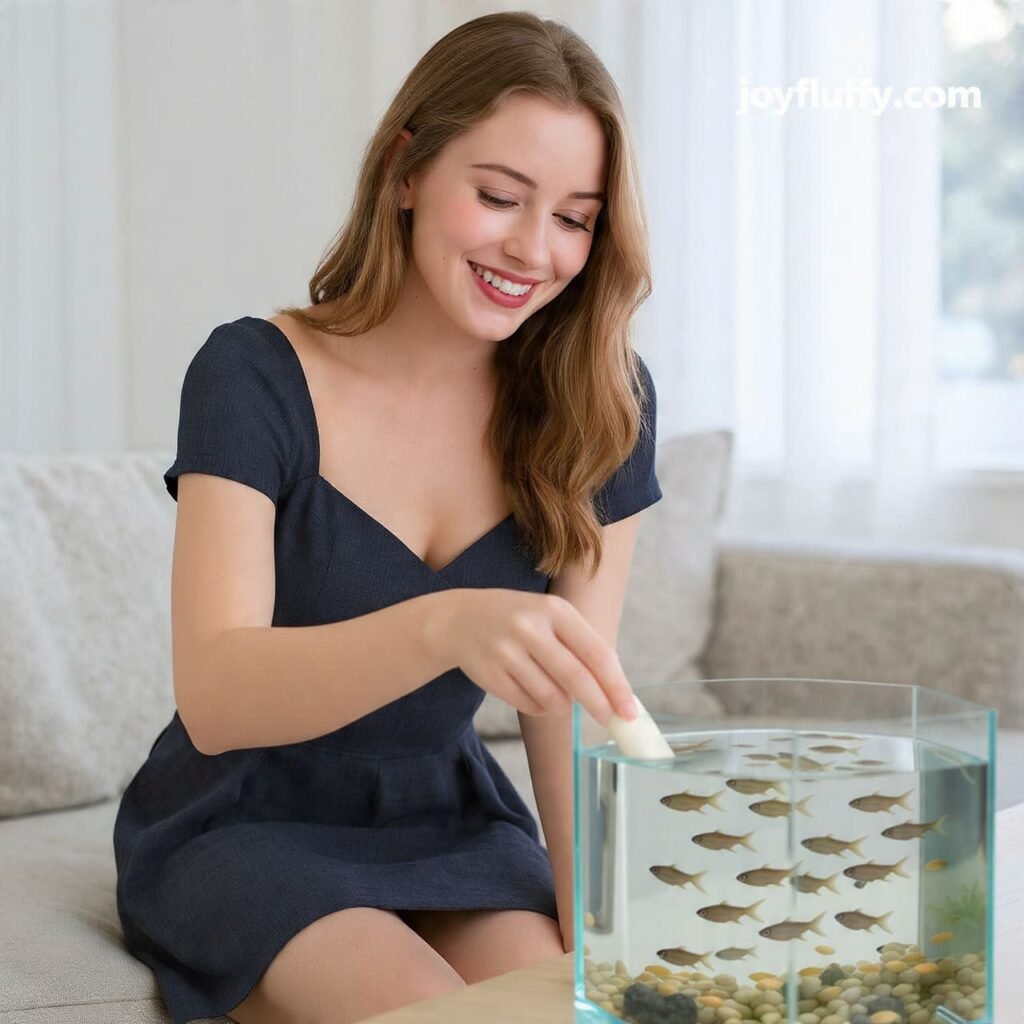
If you’re standing in front of an aquarium store display, watching those adorable whiskered catfish darting around the bottom of the tank, you’re probably wondering if Corydoras for beginners is actually a smart choice. The short answer? Absolutely yes, but only if you understand what these charming little “armored catfish” truly need. In this comprehensive care guide, I’ll walk you through everything from choosing the right species to setting up the perfect tank environment, debunking common myths along the way. You’ll discover why these peaceful bottom dwellers have earned their reputation as one of the best starter fish, and more importantly, how to keep them thriving for years to come.
Quick Answer: Yes, But Avoid These 3 Mistakes
Corydoras are fantastic beginner fish, but success hinges on three critical factors: using sand substrate instead of gravel, feeding them dedicated meals (not just leftovers), and keeping them in proper groups of six or more. Get these right, and you’ll have happy, active fish that can live 5-10 years.
The Charm of the “Armored” Catfish: Why Everyone Loves Corydoras
There’s something genuinely delightful about watching Corydoras. They’re like the golden retrievers of the aquarium world—always cheerful, constantly busy, and seemingly incapable of aggression. These small South American catfish have captured the hearts of aquarists worldwide, and it’s not hard to see why.
Unlike many fish that glide gracefully through the water, Corys have a quirky personality. They zoom along the bottom in quick bursts, their barbels twitching as they search for food. They’ll suddenly dart to the surface for a gulp of air, then rocket back down to continue their endless treasure hunt. It’s this constant activity that makes them so entertaining to watch.
The “Cleanup Crew” Myth – Let’s Bust It Right Now: Many beginners purchase Corydoras thinking they’re aquarium janitors who’ll survive on algae and fish waste. This is completely false and leads to slow starvation. Corydoras are pets, not maintenance workers. They need their own food, just like any other fish in your tank. Think of them as specialized foragers, not garbage disposals.
The name “armored catfish” comes from the overlapping bony plates that cover their bodies instead of scales. This armor provides protection in their natural habitat of South American streams and rivers. But don’t let the tough exterior fool you—these fish have gentle souls and wouldn’t hurt a fly (or a shrimp, for that matter).
Why Corydoras are the Perfect Beginner Fish
When hobbyists ask about beginner-friendly fish, Corydoras consistently top the list. But what makes them so special? Let’s break down the characteristics that earn them this reputation.
Exceptional Hardiness with a Unique Superpower
Corydoras possess an ability that most fish don’t have: intestinal respiration. This means they can gulp atmospheric air at the water’s surface and extract oxygen through their intestines. It’s a fascinating adaptation that evolved to help them survive in oxygen-poor waters during the dry season in their native South America.
For beginners, this translates to a built-in safety net. If your tank’s oxygen levels drop temporarily (maybe your filter stopped overnight or you’re experiencing a hot summer day), your Corydoras can literally breathe at the surface. You’ll notice this behavior regularly—they’ll dash to the top, grab a bubble, and zoom back down. It’s completely normal and actually pretty entertaining to watch.
Important Note: While Corydoras can breathe air, this doesn’t mean you should skip proper aeration. A well-oxygenated tank keeps them healthier and reduces stress. Consider adding an air pump or ensuring your filter creates good surface agitation.
Peaceful Nature That Never Quits
Aggression? Corydoras don’t know the meaning of the word. These fish are peaceful to their core. They won’t chase tank mates, they won’t nip fins, and they certainly won’t establish territories. Their only “aggressive” behavior might be playfully bumping into each other while foraging, which is more amusing than concerning.
This peaceful temperament makes them ideal for community tanks. You can pair them with virtually any non-aggressive species without worry. They’re too busy exploring the substrate to care about what’s happening in the upper water column.
Constant Entertainment in the Lower Third
One challenge with many bottom-dwelling fish is that they hide constantly. Not Corydoras. These active little explorers are always on the move during daylight hours. They’ll form little search parties, working together to sift through the sand in their never-ending quest for food.
The constant motion adds life to an area of the tank that’s often static. While your tetras swim in the middle and your gourami patrols the top, your Cory crew keeps the bottom layer bustling with activity. It’s this three-dimensional utilization of space that makes a well-stocked community tank so visually appealing.
If you’re looking for other engaging pet options, you might enjoy reading about safe interactive enrichment ideas for pet birds, which shares similar principles about providing stimulating environments for your pets.
Choosing Your First Species: The “Big 5” for Beginners
Not all Corydoras are created equal when it comes to beginner-friendliness. While there are over 170 described species (and probably many more waiting to be discovered), some are significantly easier to care for than others. Here’s my breakdown of the top five species perfect for your first Corydora tank setup.
Bronze & Albino Corydoras (C. aeneus)
The Bulletproof Choice
If there’s one species I’d recommend above all others for absolute beginners, it’s the Bronze Cory and its albino variant. These are the same species—the albino is simply a color morph lacking pigmentation.
Bronze Corys are remarkably hardy. They tolerate a wide range of water parameters, adapt quickly to new environments, and are widely available at most pet stores. They reach about 2.5 inches in length, making them suitable for standard community tanks. Their bronze-green metallic sheen (or pearly white in albinos) is subtle but attractive.
Temperature Range: 72°F – 79°F
Adult Size: 2.5 inches
Difficulty Level: Easiest
Peppered Corydoras (C. paleatus)
Best for Cooler Rooms
The Peppered Cory is another bulletproof species with one unique advantage: it prefers cooler water than most tropical fish. If you live in a climate where your room temperature stays around 68-74°F, Peppered Corys might be your best choice. You might not even need a heater, depending on your location.
These fish have a beautiful salt-and-pepper pattern across their bodies, with variations ranging from light speckles to dark marbling. They’re slightly larger than Bronze Corys and equally forgiving of beginner mistakes.
Temperature Range: 68°F – 75°F
Adult Size: 2.5-3 inches
Difficulty Level: Easiest
Panda Corydoras (C. panda)
Adorable but Needs Stable Parameters
Panda Corys are undeniably the cutest of the bunch. With their black eye patches, dorsal fin spot, and tail marking, they look like miniature aquatic pandas. They’re smaller than Bronze or Peppered Corys, typically staying under two inches.
The trade-off for their adorable appearance is that they’re slightly more sensitive to water quality fluctuations. They need more stable parameters and pristine water conditions. I’d recommend them for beginners who’ve successfully kept easier species first or who are committed to consistent maintenance.
Temperature Range: 68°F – 75°F (prefer cooler)
Adult Size: 1.5-2 inches
Difficulty Level: Moderate
Pygmy Corydoras (C. pygmaeus)
Perfect for Nano Tanks
If you’re working with a smaller tank (10 gallons), Pygmy Corys are your best bet. At just one inch long when fully grown, these tiny fish have different behaviors than their larger cousins. Unlike most Corydoras that stick to the bottom, Pygmies often school in mid-water, especially when kept in larger groups.
They’re peaceful, active, and surprisingly hardy despite their diminutive size. The main challenge is ensuring they get enough food—their tiny mouths mean you need appropriately sized food particles. These little guys are best for the best corydoras for small tanks category.
Temperature Range: 72°F – 79°F
Adult Size: 1 inch
Difficulty Level: Easy-Moderate
Julii/Trilineatus Corydoras
The “Leopard” Look
Often sold simply as “Julii Corys,” these spotted beauties are actually more likely to be C. trilineatus in most pet stores. True C. julii are relatively rare in the trade. Both species feature intricate black spotting on a silver-white base, creating a leopard-print effect.
They’re hardy, peaceful, and visually striking. The main consideration is making sure you’re getting healthy specimens, as these fish are sometimes wild-caught and may need extra quarantine attention.
Temperature Range: 73°F – 79°F
Adult Size: 2-2.5 inches
Difficulty Level: Easy
The Ideal Tank Setup: Step-by-Step
Creating the perfect environment for your Corydoras doesn’t require advanced equipment or exotic plants. What it does require is understanding their specific needs and setting up your tank accordingly. Let’s walk through each critical component.
Tank Size: Why Bigger Really Is Better
The most common question I hear is: “Can I keep Corydoras in a 10-gallon tank?” Technically, yes—Pygmy Corys can survive in 10 gallons. But should you? For most species and for true beginner success, I strongly recommend starting with a 20-gallon long tank as your minimum.
Here’s why the 20-gallon long (not tall) is the sweet spot. First, Corydoras are ground dwellers who swim horizontally, not vertically. A 20-gallon long tank provides 30 inches of floor space compared to a 10-gallon’s 20 inches. That extra footprint matters enormously for fish that spend their entire lives on the bottom.
Second, water stability improves dramatically in larger volumes. Ammonia, nitrite, and nitrate levels spike faster in smaller tanks. Temperature fluctuates more rapidly. For a beginner still learning about the nitrogen cycle and proper maintenance, that extra water volume provides a crucial buffer against mistakes.
Pro Tip: If you’re choosing between a 20-gallon tall and a 20-gallon long, always pick the long. The horizontal swimming space is infinitely more valuable to Corydoras than vertical height. Think wide, not tall.
Substrate is King: The Sand vs. Gravel Debate
This is non-negotiable: Corydoras need smooth sand substrate. Not fine gravel. Not “soft” gravel. Not rounded pebbles. Sand. Full stop.
Let me explain the science behind this requirement. Corydoras have barbels—those whisker-like appendages around their mouths. These aren’t just decorative. They’re highly sensitive sensory organs packed with taste buds and touch receptors. In the wild, Corys sift through soft river sand and mud, using their barbels to detect tiny food particles.
When kept on gravel, even rounded gravel, the constant contact causes barbel erosion. The barbels become worn, shortened, and infected. Once damaged, a Cory can’t forage effectively, leading to malnutrition and stress. Bacterial infections often follow, entering through the damaged tissue.
The best substrate options include pool filter sand, play sand (thoroughly rinsed), or aquarium-specific sand products. Avoid “live sand” marketed for marine tanks—it’s too coarse. The sand should be smooth enough that you’d be comfortable walking on it barefoot.
Common Mistake Alert: Many beginners start with gravel because it’s what they already have or what came with their tank kit. Switching to sand later requires removing all fish and restarting the tank. Save yourself the hassle and start with sand from day one. Your Corydoras will thank you with years of healthy foraging behavior.
Filtration: Handling the Bio-Load
Corydoras are active fish with healthy appetites, which means they produce a moderate amount of waste. You’ll need filtration rated for at least your tank size, though many experienced keepers recommend oversizing slightly (a filter rated for 30 gallons on a 20-gallon tank, for example).
The type of filter matters less than its capacity. Hang-on-back filters, canister filters, and sponge filters all work well. Many Cory enthusiasts prefer sponge filters or gentle hang-on-back units because Corydoras don’t appreciate strong currents. They’re adapted to slow-moving streams, not rushing rapids.
One often-overlooked benefit of adequate filtration is surface agitation. Remember how Corys can breathe air? While that’s a safety net, they still prefer well-oxygenated water. Your filter’s output should create gentle surface movement without creating a washing machine effect.
Creating Hiding Spots and Comfort Zones
Even though Corydoras are active during the day, they appreciate having places to retreat when they feel stressed or just want to rest. The key is using decorations that won’t harm their delicate barbels.
Driftwood is excellent—it’s smooth, natural-looking, and provides great hiding spots. Just make sure any wood you use is aquarium-safe and has been properly prepared. Amazon Swords and Anubias plants are perfect choices because their broad leaves create shaded areas without sharp edges.
Avoid decorations with rough surfaces, sharp points, or small holes where a Cory might get stuck. Smooth river rocks are fine, but inspect them for jagged edges. Artificial plants should be silk, not plastic—plastic plants often have sharp leaf tips that can damage fins and barbels.
Plant Selection Tip: Corydoras and live plants are a match made in heaven. Plants help maintain water quality by consuming nitrates, and they create a more natural environment. If you’re new to planted tanks, start with low-light, easy species like Java Fern, Anubias, Amazon Swords, or Cryptocoryne.
Water Chemistry & Parameters: Consistency Over Perfection
One of the most liberating things about keeping Corydoras is that they don’t demand specific water parameters. What they do demand is stability. A Cory will adapt to a pH of 6.5 or 7.8, but wild swings between these values will stress them terribly.
Temperature: The Goldilocks Zone
Most Corydoras species thrive in the range of 72°F to 78°F. This is comfortably within tropical fish territory, making them compatible with the vast majority of community tank residents. Some species, like Pandas and Peppered Corys, actually prefer the cooler end of this spectrum (68-75°F).
Stability is more important than hitting a precise number. A consistent 74°F is better than a tank that fluctuates between 70°F and 78°F daily. Invest in a reliable aquarium heater and a separate thermometer to monitor temperature. Digital thermometers are more accurate than stick-on models.
pH and Hardness: Stop Chasing Perfect Numbers
In nature, different Corydoras species inhabit waters with varying pH levels, from soft acidic blackwater streams to harder alkaline rivers. Captive-bred Corydoras (which most pet store fish are) have adapted to a wide pH range, typically anywhere from 6.5 to 7.8.
Unless you’re breeding rare species or keeping wild-caught specimens, don’t obsess over pH. Test your tap water, and as long as it falls within the acceptable range, your Corydoras will be fine. The stress from constantly adjusting pH does more harm than simply maintaining stable conditions.
Use a reliable water quality meter to test your parameters regularly, especially when starting out. The EPA’s Safe Drinking Water information can help you understand your local water quality baseline.
Critical Warning About Aquarium Salt: Many beginners use aquarium salt as a preventive tonic or treatment. DO NOT use salt in tanks containing Corydoras. These fish are highly sensitive to salt and can suffer osmotic stress, even at “therapeutic” doses. If you need to medicate, choose salt-free treatments specifically labeled as safe for scaleless fish and catfish.
The Nitrogen Cycle: Your Most Important Lesson
This is where many beginners fail, and it has nothing to do with the fish themselves. Corydoras should never be the first fish added to a brand-new tank. They’re hardy, but they’re not miracle workers.
Every aquarium must establish beneficial bacteria colonies that convert toxic ammonia into less harmful substances. This process, called the nitrogen cycle, takes 4-6 weeks. During cycling, ammonia and nitrite levels spike to lethal levels before beneficial bacteria populations grow large enough to handle the load.
Adding fish too early, even hardy ones, exposes them to chemical burns, gill damage, and often death. Either cycle your tank fishlessly using pure ammonia, or use truly hardy pioneer species like Zebra Danios for the initial cycle. Add Corydoras only after ammonia and nitrite readings consistently show zero, and nitrates are present.
The Aquarium Co-Op’s nitrogen cycle guide provides excellent detailed information about this critical process.
Diet and Nutrition: Beyond the Scraps – A Cory Catfish Care Guide Essential
If I could emphasize one point that would revolutionize beginner success with Corydoras, it’s this: feed your Corydoras like you mean it. The “they’ll eat leftovers” myth has probably shortened more Cory lifespans than any disease.
The Starvation Trap: Why Leftovers Aren’t Enough
Picture this common scenario: You add Corydoras to your established community tank. Your tetras and gouramis eagerly devour flake food at the surface. A few flakes drift down to the bottom where your Corys wait. Surely that’s enough, right? Wrong.
Surface-feeding fish are incredibly efficient. They intercept food before it sinks, leaving minimal scraps for bottom dwellers. Even if some food reaches the substrate, it might not be nutritionally appropriate for Corydoras. They need protein-rich diets, not crumbled flakes designed for tetras.
Underfed Corys lose weight gradually. Their bellies hollow out. They become less active. Their immune systems weaken. By the time you notice something’s wrong, the damage is often significant. Don’t let this happen to your fish.
Best Foods: Building a Varied Menu
Corydoras are omnivores with a preference for meaty foods. In the wild, they consume insect larvae, worms, tiny crustaceans, and plant matter. Replicating this variety in captivity keeps them healthy and vibrant.
Sinking Pellets and Wafers: High-quality sinking pellets specifically designed for bottom feeders should form the foundation of their diet. Look for products where protein sources (fish meal, shrimp meal, insects) appear first in the ingredients list. Avoid products where wheat or corn dominate the formula.
Popular options include Hikari Sinking Wafers, Fluval Bug Bites (the bottom feeder formula), Omega One Shrimp Pellets, and Northfin Community Formula. Rotate between different brands to ensure nutritional variety.
Frozen Foods: Frozen bloodworms, brine shrimp, daphnia, and mysis shrimp are excellent treats that Corydoras absolutely love. These should be offered 2-3 times weekly. Thaw frozen food in a small cup of tank water before adding it to prevent temperature shock.
Live Foods: If you’re feeling ambitious, live foods like blackworms, grindal worms, or cultured daphnia provide excellent nutrition and stimulate natural hunting behaviors. They’re not necessary for basic care but can boost breeding condition.
Feeding Technique: Drop sinking foods directly onto the substrate during feeding time, not into the filter current. This ensures they reach the bottom before being swept away. If you have aggressive surface feeders, consider feeding Corydoras at night with the main lights off and just moonlight/room light. They’ll forage more confidently, and greedy tank mates will be less competitive.
Feeding Schedule and Portion Control
Feed adult Corydoras once daily, offering an amount they can consume within 2-3 minutes. Unlike some fish that benefit from fasting days, Corydoras have fast metabolisms and should be fed consistently. Their constant activity burns energy that needs replenishing.
Watch your fish during feeding. Are they actively searching and finding food? Are their bellies slightly rounded afterward? These are signs you’re feeding appropriately. If they seem disinterested or if food remains uneaten after five minutes, you may be overfeeding.
Social Behavior & Tank Mates: The Power of Six
Corydoras are shoaling fish. Not just “they like company” fish. Not “it’s nice to have friends” fish. They’re biologically wired to live in groups, and keeping them solo or in pairs causes genuine stress and suffering.
Why Six is the Minimum (And More is Better)
In the wild, Corydoras travel in groups of dozens or even hundreds. This isn’t social preference—it’s survival strategy. Large groups provide security through numbers, making each individual fish feel safer from predators.
In aquariums, keeping fewer than six Corydoras triggers chronic stress. Stressed fish have weakened immune systems, reduced appetites, and shorter lifespans. They’ll hide more, explore less, and display muted colors. You’re essentially keeping them in a state of constant anxiety.
Six is the minimum for the species to recognize “we are a group.” But eight, ten, or twelve is even better. Larger groups exhibit more natural behaviors—synchronized swimming, cooperative foraging, and social interactions that make your tank fascinating to observe.
Species Mixing: Can you mix different Corydoras species? Yes, but it’s not ideal. Corydoras prefer shoaling with their own species. If tank space is limited, choose one species and get a proper group of that species rather than collecting one or two of several different types.
Ideal Tank Mates for Community Harmony
Corydoras’ peaceful nature makes them compatible with nearly any non-aggressive community fish. Excellent tank mates include:
- Tetras: Neon Tetras, Ember Tetras, Rummy Nose Tetras, and Cardinal Tetras share similar water parameter requirements and occupy different tank levels.
- Rasboras: Harlequin Rasboras, Chili Rasboras, and Exclamation Point Rasboras are peaceful schooling fish that won’t compete for food at the bottom.
- Livebearers: Guppies, Platies, and Endlers Livebearers are active, colorful, and completely ignore bottom-dwelling Corys.
- Peaceful Gouramis: Honey Gouramis, Sparkling Gouramis, and Pearl Gouramis are gentle top-dwellers that won’t bother Corydoras.
- Small Peaceful Cichlids: Apistogramma species and German Blue Rams can coexist peacefully, though watch for spawning aggression.
Shrimp and snails also make excellent additions. Corydoras won’t harm adult shrimp (though they might eat tiny shrimplets), and snails help with algae control.
Tank Mates to Avoid
Avoid keeping Corydoras with:
- Aggressive Cichlids: Oscars, Jack Dempseys, and similar aggressive species will view Corys as food or punching bags.
- Large Predatory Fish: Anything large enough to swallow a Cory should be avoided. Interestingly, a Corydoras’ pectoral spines can lodge in a predator’s throat, potentially killing both fish.
- Fin Nippers: Tiger Barbs and some tetra species may nip at Corydoras fins, causing stress and injury.
- Overly Competitive Feeders: Fast, aggressive eaters like Rainbow Sharks or Red-Tailed Sharks may out-compete Corys for food.
For more information about creating peaceful multi-species environments, you might find inspiration from creating appropriate habitats for other pet species, which shares similar principles about environmental compatibility.
Common Health Issues: Troubleshooting Guide
Corydoras are hardy, but they’re not invincible. Understanding common health issues helps you catch problems early when they’re still treatable.
Barbel Erosion: Is It the Substrate or the Water?
Shortened, reddened, or missing barbels are the most common health problem in captive Corydoras. Most people blame the substrate, but the truth is more complex.
Yes, gravel causes mechanical damage to barbels. But even on sand, poor water quality—specifically high nitrates—causes barbel erosion. Nitrates above 40 ppm create inflammatory conditions that damage these sensitive tissues. The combination of gravel and high nitrates is devastating.
Prevention and Treatment: Use sand substrate and maintain nitrates below 20 ppm through regular water changes. If erosion occurs, immediately improve water quality and ensure the substrate is appropriate. Mild cases can heal if conditions improve, though severely damaged barbels may never fully regenerate.
Red Blotch Disease: Bacterial Infections
Red or bloody patches on the body, especially on the belly, indicate bacterial infection. This condition often results from prolonged exposure to poor water quality, injuries from rough substrate, or stress from overcrowding.
Treatment: Improve water quality immediately with 50% water changes. Treat with antibacterial medications specifically labeled safe for scaleless fish (avoid medications containing copper or formalin). Products containing kanamycin or nitrofurazone work well for Corydoras.
Stress Signs: Glass Surfing vs. Natural Play
Seeing your Corydoras zooming up and down the glass can be alarming. Is it stress or play? Context matters.
Normal Behavior: Occasional dashes to the surface for air, synchronized group swimming along the front glass, and brief bursts of activity after water changes (they love fresh water).
Stress Signs: Constant frantic swimming, hiding all day, refusal to eat, rapid gill movement, gasping at the surface (beyond normal air gulps), or isolation from the group. These indicate problems with water quality, tank mates, or illness.
White Spot Disease (Ich): Corydoras can contract ich like any tropical fish. The challenge is that many ich medications contain harmful additives. Use medications specifically labeled safe for scaleless fish and catfish. Raise temperature to 78-80°F (if species-appropriate) to speed the parasite’s life cycle, making medication more effective.
Recognizing the “T-Position” – Don’t Panic!
If you see your Corydoras sitting motionless in a T-shape (body at right angles), don’t panic—they’re probably trying to spawn! Male Corys assume this position during courtship. The female gathers eggs in her pelvic fins while the male fertilizes them. It’s completely normal behavior, though successful breeding requires specific conditions most community tanks don’t provide.
Maintenance Routine for Long-Term Success
Keeping Corydoras healthy isn’t about complicated procedures. It’s about consistency with basic maintenance tasks.
Water Changes: The Non-Negotiable Weekly Task
Perform 25-30% water changes weekly. This is your single most important maintenance task. Regular water changes remove nitrates, replenish minerals, and provide fresh, oxygenated water that Corydoras love.
Many beginners resist water changes because they seem tedious. But here’s the truth: fifteen minutes weekly prevents hours of disease treatment and potentially saves your fish’s lives. It’s the best investment of time you can make.
Use a dechlorinator to neutralize chlorine and chloramines in tap water. Match the temperature of new water to tank temperature (within 2-3 degrees) to avoid shocking your fish.
Cleaning Sand Without Sucking It All Up
Sand substrates require different vacuuming techniques than gravel. Instead of pushing the siphon deep into the sand, hover it just above the surface. The gentle suction will lift waste particles while leaving sand in place.
Corydoras actually help keep sand clean through their constant sifting behavior, but you still need to remove concentrated waste from areas where food accumulates. Pay special attention to corners and areas behind decorations where detritus settles.
Monitoring Parameters: Test, Don’t Guess
Test water parameters weekly when starting out, then bi-weekly once your tank is mature and stable. Always test if fish behavior changes or if you notice anything unusual.
Critical parameters to monitor:
- Ammonia: Should always be 0 ppm in established tanks
- Nitrite: Should always be 0 ppm in established tanks
- Nitrate: Keep below 20 ppm for Corydoras; 40 ppm maximum
- pH: Note your baseline and watch for sudden changes
- Temperature: Check daily; sudden fluctuations indicate heater problems
5 Pro Tips for Maximum Success with Feeding Bottom Feeders
1. Quarantine is Non-Negotiable
Even hardy Corydoras can carry parasites or diseases from pet store tanks. Always quarantine new fish for 2-4 weeks before adding them to your display tank. This protects your established fish and gives you time to observe and treat any problems. Many seemingly healthy fish carry subclinical infections that emerge under the stress of transport and introduction.
2. Oxygenation Makes a Massive Difference
While Corydoras can breathe air, they’re healthier in highly oxygenated water. Add an air stone connected to an air pump, or position your filter output to create maximum surface agitation. You’ll notice increased activity levels and brighter colors in well-oxygenated tanks. The gentle bubbling also adds visual appeal and a soothing sound to your aquarium.
3. Never Use Fine-Mesh Nets
Corydoras have sharp pectoral spines that easily snag in standard fine-mesh nets. Struggling fish can injure themselves or become hopelessly tangled. Use a container (like a large measuring cup) to catch Corydoras, or invest in specialized “snag-free” nets with larger mesh. Move slowly and guide the fish gently rather than chasing them frantically around the tank.
4. Feed at Lights-Out for Better Results
If you have aggressive surface feeders, try feeding your Corydoras after turning off the main tank lights. With only ambient room light, timid Corys become bolder while surface fish are less active. This ensures your bottom feeders get their fair share without competition. You can even use the “red light trick”—Corydoras can see in red light while many fish cannot, allowing them to forage undisturbed.
5. Watch for Salt in Medications and Treatments
Aquarium salt, often recommended for various ailments, is toxic to Corydoras even at low concentrations. Always read medication labels carefully. Look for products specifically stating they’re safe for scaleless fish, catfish, and sensitive species. When in doubt, research the active ingredients or consult experienced aquarists before treating a tank containing Corydoras.
Conclusion: Your Corydoras Journey Starts Here
Are Corydoras good for beginners? Absolutely, unequivocally yes—provided you give them what they need. These charming catfish combine hardiness with personality, making them ideal for new aquarists who want interactive, long-lived pets.
Success comes down to three fundamental requirements: smooth sand substrate to protect their sensitive barbels, dedicated feeding with high-quality sinking foods rather than relying on leftovers, and keeping them in proper social groups of six or more individuals. Get these basics right, and you’ll enjoy watching your Cory crew bustle around the tank for 5-10 years or more.
Remember that Corydoras aren’t janitors—they’re pets deserving of the same care and attention you’d give any other fish. They need clean water, appropriate food, and a stress-free environment. In return, they’ll reward you with constant activity, peaceful coexistence with tank mates, and those endearing dashes to the surface for gulps of air.
Start with one of the bulletproof species like Bronze or Peppered Corydoras. Set up your tank properly with sand, adequate filtration, and hiding spots. Cycle your aquarium thoroughly before adding fish. Then watch as your armored catfish transform the bottom of your tank from static space into a center of bustling activity.
The aquarium hobby is most rewarding when you can observe natural behaviors in healthy, happy fish. With proper care, your Corydoras will display their full range of personality—from synchronized group swimming to playful interactions to adorable air-gulping surface dashes. That’s the experience that turns casual fishkeepers into lifelong aquarists.
Welcome to the wonderful world of Corydoras care. Your underwater adventure is just beginning.
Frequently Asked Questions About Corydoras for Beginners
Yes, Corydoras are excellent for beginners due to their hardiness, peaceful nature, and ability to breathe atmospheric air. However, success depends on avoiding three common mistakes: using gravel instead of sand substrate, underfeeding them, and keeping too few in the group (minimum of six is recommended).
A 20-gallon long tank is the sweet spot for most Corydoras species. While pygmy Corydoras can survive in a 10-gallon tank, the 20-gallon provides more swimming space and better water stability, which is crucial for beginner success.
No, this is a common myth. Corydoras are not cleanup crews or waste eaters. They require dedicated feeding with high-quality sinking pellets, frozen foods, and occasional treats. Relying on leftovers will lead to malnutrition and health problems.
Corydoras have sensitive barbels (whiskers) that they use to sift through substrate while foraging. Sharp gravel can cause barbel erosion, leading to infections and an inability to find food. Smooth sand allows natural foraging behavior and keeps their barbels healthy.
A minimum of six Corydoras is essential. They are shoaling fish with a biological need for group security. Keeping fewer than six can lead to stress, reduced activity, weakened immune systems, and shortened lifespans. Larger groups of 8-12 show even more natural behaviors.
Yes! Corydoras are extremely peaceful and compatible with most community fish including tetras, rasboras, guppies, and peaceful gouramis. Avoid pairing them with aggressive cichlids or fish large enough to swallow them.
Feed high-quality sinking pellets or wafers as a staple diet, supplemented 2-3 times weekly with frozen foods like bloodworms, brine shrimp, or daphnia. Feed once daily, providing an amount they can consume in 2-3 minutes. Never rely solely on leftover food from other fish.
With proper care, Corydoras typically live 5-10 years in captivity. Some species and individuals have been known to reach 15+ years. Longevity depends on water quality, appropriate diet, and stress-free living conditions.
Corydoras have intestinal respiration, meaning they can gulp air at the surface and extract oxygen through their intestines. This is completely normal behavior and not a sign of distress. However, if they’re gasping constantly or swimming frantically, check your water quality and oxygenation levels.
Most Corydoras species thrive between 72°F and 78°F. Some species like Pandas and Peppered Corys prefer the cooler end (68-75°F). Temperature stability is more important than hitting a precise number. Avoid fluctuations greater than 2-3 degrees daily.