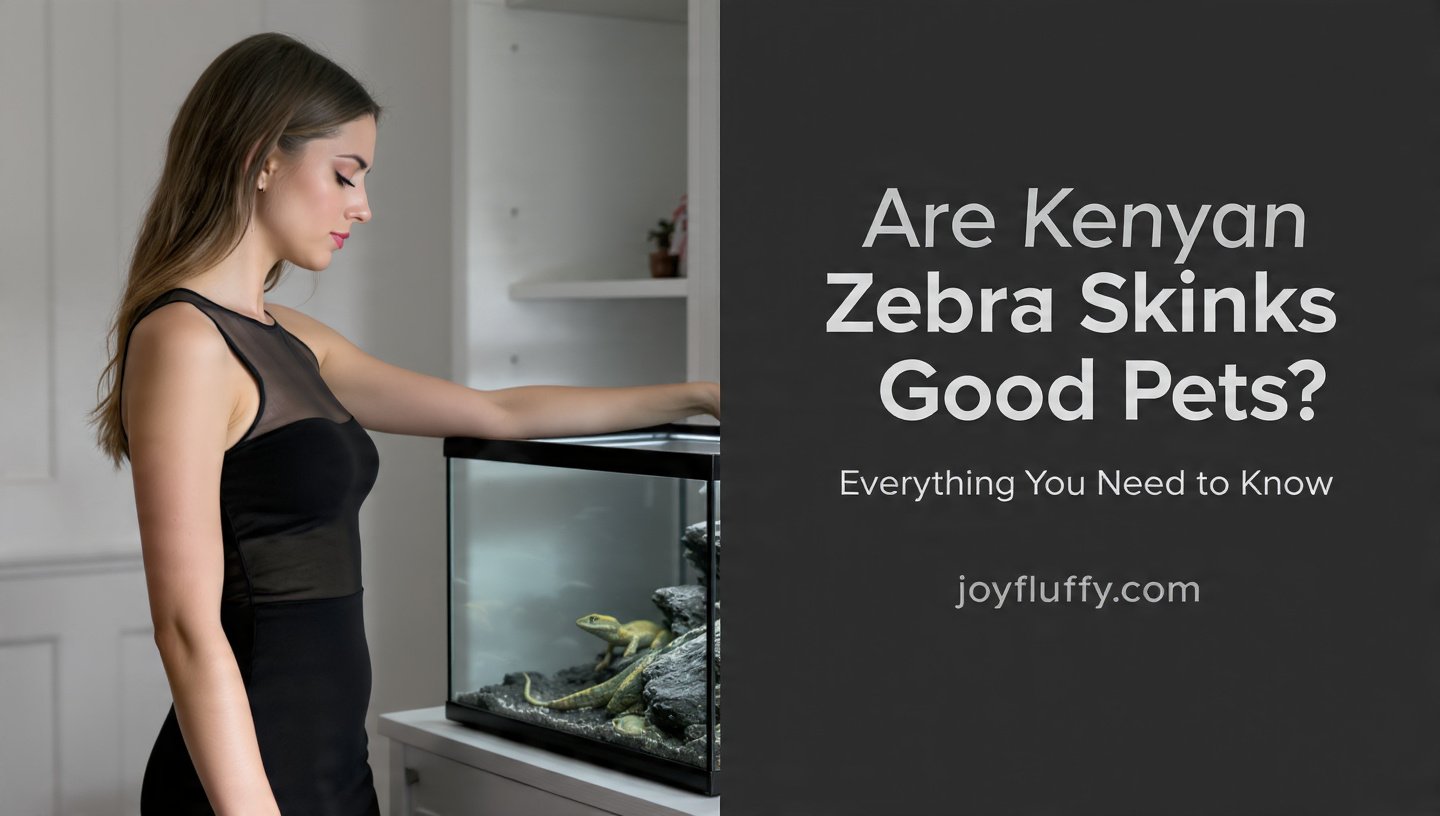
Are Kenyan Zebra Skinks Good Pets? Everything You Need to Know

Are you searching for a pet lizard that actually enjoys being around others? One that gives birth to live babies instead of laying eggs? If you’re curious whether Kenyan Zebra Skinks make good pets, you’ve come to the right place. This comprehensive guide will answer all your questions about Trachylepis dichroma, covering everything from their remarkable social behavior to their complete care requirements. Whether you’re a seasoned reptile keeper or exploring your first communal species, you’ll discover why these striped lizards are becoming the darlings of the exotic pet world in 2026.
The “Golden Retriever” of Skinks: Why Kenyan Zebras Are Taking Over the Hobby
In the reptile community, most lizards are solitary creatures. They tolerate each other at best and fight viciously at worst. Then along comes the Kenyan Zebra Skink, and suddenly everything we thought we knew about reptile socialization gets flipped on its head.
These sleek, black-and-gold striped lizards from East Africa are rewriting the rulebook. Unlike their territorial cousins, Kenyan Zebra Skinks actually prefer company. They demonstrate what scientists call “kin recognition,” meaning they can identify and bond with family members. Watch a colony interact, and you’ll see behaviors that seem impossibly mammalian: siblings basking together, mothers tolerating youngsters, and coordinated group activities that look more like prairie dogs than reptiles.
Real Keeper Experience: “Within two weeks of bringing home my pair, they started running to the glass whenever I approached. Not because they were stressed, but because they learned I was the food provider. It’s the closest thing to a ‘puppy dog’ reaction I’ve ever seen in a lizard.” – Sarah M., 402 Exotics Community Forum
This social nature isn’t just cute; it’s practical. For keepers with limited space who want to observe dynamic animal interactions, housing a small colony in one well-designed enclosure offers exponentially more behavioral enrichment than maintaining multiple solo setups. You’re not just keeping pets. You’re maintaining a micro-ecosystem.
Are Kenyan Zebra Skinks Good Pets? A Brutally Honest Review
Let’s cut through the hype and talk reality. Yes, Kenyan Zebra Skinks make fantastic pets, but they’re not for everyone. Here’s what you need to know before taking the plunge.
The Pros: What Makes Them Exceptional
- Social and Interactive: They genuinely enjoy group living and will actively engage with their environment and each other
- Handleable: With patience, they become remarkably tame using choice-based handling methods
- Unique Breeding: Live-bearing reproduction means no complicated egg incubation
- Active During the Day: Peak activity during daylight hours means you actually get to watch them
- Moderate Size: Adults reach 6-8 inches, making them manageable without being tiny
- Longevity: Properly cared for individuals live 8-12 years, with some reaching 15
The Cons: What You Need to Accept
- Heat Demands: They require basking temperatures of 100-115°F, which means investing in quality heating equipment
- UVB Mandatory: T5 HO lighting isn’t optional; it’s essential for their health
- Insect Diet: You’ll be maintaining a steady supply of live feeders or developing a relationship with online suppliers
- Space Requirements: Communal setups need 4x2x2 feet minimum, which isn’t apartment-friendly
- Initial Cost: Between the enclosure, lighting, heating, and the animals themselves, expect to invest $600-$1,200 upfront
Skill Level Assessment: Kenyan Zebra Skink care falls into the intermediate category. They’re not beginner-proof like Leopard Geckos, but they’re far more forgiving than chameleons or monitors. If you’ve successfully kept a Bearded Dragon or Blue Tongue Skink, you have the foundational skills needed.
From Arid Plains to Your Living Room: The Trachylepis dichroma Origin Story
Understanding where these skinks come from helps explain what they need to thrive in captivity. Trachylepis dichroma inhabits the semi-arid regions of Kenya and surrounding East African territories. They’re found in rocky outcrops, dried grasslands, and areas with scattered vegetation where they can bask, hunt, and take shelter.
Their natural habitat experiences intense daytime heat with significant nighttime cooling. Humidity fluctuates seasonally but generally stays in the 40-60% range, never reaching rainforest levels. This “dry feet, humid air” balance is critical to replicate in captivity.
In the wild, Kenyan Zebra Skinks live in loose colonies centered around favorable basking sites and prey availability. Family groups share burrows and basking rocks, demonstrating the cooperative behavior that makes them so unique among lizards. Young skinks often remain with their birth group for extended periods, learning foraging techniques and predator avoidance from older relatives.
Conservation Note: While not currently endangered, habitat loss in East Africa threatens many endemic species. Always purchase captive-bred Kenyan Zebra Skinks from reputable breeders. This supports ethical breeding programs and reduces pressure on wild populations. Organizations like the IUCN Red List track conservation status for reptile species worldwide.
The Social Secret: How to House Kenyan Zebra Skinks Communally
This is where Kenyan Zebra Skinks truly shine. Communal housing isn’t just possible; it’s preferred. But success requires understanding their social structure and providing adequate space and resources.
Enclosure Dimensions: Size Matters
For a pair (one male, one female): Minimum 36 inches long × 18 inches wide × 18 inches tall. This provides just enough space for a proper temperature gradient and multiple hiding spots.
For a colony (4-6 individuals): Upgrade to 48 inches long × 24 inches wide × 24 inches tall. This is non-negotiable. Overcrowding leads to stress, suppressed feeding, and potential aggression even in this social species.
The “Semi-Arid” Balance: Getting Conditions Just Right
Recreating semi-arid conditions confuses many keepers because it sounds contradictory. Here’s the formula:
- Substrate Depth: 4-6 inches of a sand and topsoil mix (70% sand, 30% organic topsoil)
- Moisture Gradient: Lightly mist one corner weekly to create a humid retreat; keep the rest dry
- Ambient Humidity: Maintain 40-60% using proper ventilation and occasional misting
- Ventilation: Use a screen top or ensure multiple ventilation points to prevent stagnant air
The goal is dry substrate that allows burrowing without becoming dust, combined with enough ambient humidity to support healthy skin shedding. Think Arizona desert after a brief rain shower, not Florida swamp.
Lighting: The UVB Imperative
Kenyan Zebra Skinks need UVB lighting. Period. No amount of vitamin D3 supplementation can fully replace natural ultraviolet exposure. Here’s your shopping list:
- UVB Source: T5 High Output linear bulb, 5-6% UVB strength (brands like Arcadia or Zoo Med)
- Placement: Mount 10-12 inches above basking spots
- Duration: 10-12 hours daily on a timer
- Replacement Schedule: Every 12 months, even if the bulb still produces visible light (UVB output degrades before visible light)
Common Mistake: Using compact or coil UVB bulbs. These produce inconsistent UVB gradients and have been linked to eye problems in some reptiles. Always choose linear T5 HO fixtures for reliable, safe UVB distribution.
Heating: Creating the Perfect Temperature Gradient
Kenyan Zebra Skinks are heat-lovers. They need an intense basking spot to thermoregulate properly:
- Basking Spot: 100-115°F (38-46°C) measured with an infrared temperature gun
- Warm Side Ambient: 85-90°F (29-32°C)
- Cool Side: 75-80°F (24-27°C)
- Nighttime Drop: Allow temperatures to fall to 65-70°F (18-21°C)
Achieve this gradient using a combination of halogen basking bulbs or deep heat projectors on one end, with the opposite end left unheated. Under-tank heaters are not recommended as they don’t create the overhead heat these diurnal baskers instinctively seek.
Decor and Enrichment: Building a Micro-Habitat
Don’t settle for a sterile box with a water dish. Kenyan Zebra Skinks are active, curious explorers. Provide:
- Multiple hiding spots (cork bark, rock caves, commercial hides) on both warm and cool ends
- Basking platforms at varying heights to allow choice and hierarchy establishment
- Climbing opportunities (branches, stacked rocks) since they’re more arboreal than you’d expect
- Live or artificial plants for visual barriers and security
- A shallow water dish large enough for soaking but not drowning risk
Rotate decorations every few months to provide novel exploration opportunities. These intelligent lizards benefit from environmental changes that stimulate natural foraging and investigation behaviors. If you’re interested in creating enriching environments for other pets, check out our guide on nutritional enrichment for small breed puppies.
The Complete Kenyan Zebra Skink Diet Guide
Nutrition makes or breaks reptile keeping. Kenyan Zebra Skinks are insectivores with specific nutritional requirements that change throughout their lives. Here’s your feeding roadmap:
| Life Stage | Primary Diet (80%) | Treats / Supplements (20%) | Frequency |
|---|---|---|---|
| Hatchling (0-3 months) | Pinhead crickets, fruit fly larvae | Calcium + D3 (Every meal) | Daily |
| Juvenile (3-12 months) | Dubia roaches, small crickets | Repashy Grub Pie, Bee Pollen | 5x per week |
| Adult (12+ months) | Large Roaches, Hornworms | Occasional scrambled egg (plain) | 3x per week |
Feeder Insect Quality: You Are What Your Skink Eats
The nutritional value of feeder insects depends entirely on what those insects have consumed. This concept, called “gut-loading,” is critical:
- Feed crickets and roaches high-quality commercial gut-load or fresh vegetables 24-48 hours before offering
- Avoid nutrient-poor feeders like mealworms as staples (use as occasional treats only)
- Dust every feeding with calcium powder containing vitamin D3
- Provide a multivitamin supplement once weekly
Pro Tip: Maintain your own dubia roach colony. It’s cheaper long-term, ensures constant feeder availability, and allows complete control over gut-loading nutrition. Initial setup costs around $100 but pays for itself within six months of regular feeding.
The “Food Begging” Phase: What to Expect
Here’s something nobody tells you: Kenyan Zebra Skinks quickly learn to associate you with food. Within 2-4 weeks, healthy individuals will rush to the enclosure front when you approach. This isn’t stress; it’s learned behavior demonstrating their surprising cognitive abilities.
Some keepers find this endearing. Others find it demanding when their skinks start “begging” outside regular feeding schedules. Maintain consistency in feeding times to prevent overfeeding and obesity, which can shorten lifespan significantly.
Eggs Are Overrated: Understanding the Live-Birth Magic of Zebra Skinks
One of the most fascinating aspects of Kenyan Zebra Skinks is their reproductive biology. Unlike most lizards, they’re ovoviviparous, meaning they give birth to fully formed live young instead of laying eggs.
How Live Birth Works
The female retains eggs internally throughout development. Embryos are nourished by yolk sacs within thin membranes, developing inside the mother’s body for approximately 70-90 days. When ready, she gives birth to 4-10 perfectly formed miniature skinks, each about 2-3 inches long and immediately active.
Parental Behavior: A Reptilian Rarity
In most lizard species, parents ignore or even cannibalize offspring. Kenyan Zebra Skinks break this mold. Mothers rarely show aggression toward their young, and siblings tolerate each other from birth. This allows multi-generational colonies where grandparents, parents, and offspring coexist peacefully, creating living displays that rival any aquarium for visual interest.
Breeding Consideration: While live birth eliminates egg incubation hassles, be prepared for the ethical responsibility. Baby skinks need appropriate housing and care. If you can’t accommodate growing colonies or find responsible homes, consider housing same-sex groups to prevent reproduction.
Sexual Maturity and Reproductive Cycle
Kenyan Zebra Skinks reach sexual maturity between 10-14 months of age. In optimal conditions with proper nutrition and UVB exposure, females may produce 2-3 litters annually. However, continuous breeding stresses females. Responsible keepers provide “rest periods” by temporarily separating sexes or reducing heat and photoperiods to mimic seasonal changes.
The 30-Day Transition: What to Expect When Bringing Your Skink Home
The first month with any new reptile determines long-term success. Here’s a realistic timeline of what to expect with Kenyan Zebra Skinks:
Week 1: The Hiding Phase
Don’t panic when your new skinks immediately burrow and hide. Shipping stress, new environment, new smells, everything is overwhelming. Your job this week:
- Resist the urge to handle or “check on” them constantly
- Ensure temperatures and humidity are stable
- Offer food but don’t worry if they refuse (stress suppresses appetite)
- Keep the room quiet and minimize disturbances
Week 2-3: Cautious Exploration
Around day 10-14, you’ll notice tentative basking behavior. They’ll emerge during peak heat hours, bask briefly, then retreat. By week three, healthy individuals establish regular basking schedules. This is when you’ll start seeing personality differences between individuals.
Week 4: The “Food God” Recognition
This is the magic week. Suddenly, they connect your presence with feeding. You’ll approach the enclosure, and instead of fleeing, they’ll rush forward. Congratulations, you’re no longer a predator; you’re a walking buffet.
Taming Strategy: Use “choice-based handling” from week four onward. Instead of grabbing skinks, place your hand flat in the enclosure and let them investigate. Offer a treat (like a hornworm) from your palm. Over repeated sessions, they’ll climb onto your hand voluntarily. This method builds trust exponentially faster than forced handling.
Zebra Skink vs. Blue Tongue Skink: Which One Is Right For You?
Prospective keepers often compare Kenyan Zebra Skinks with Blue Tongue Skinks, another popular pet species. Here’s an honest comparison:
Size and Space
Blue Tongues are substantially larger (18-24 inches) and require 4x2x2 feet for a single adult. Kenyan Zebra Skinks max out at 8 inches, meaning a similar-sized enclosure can house an entire colony instead of one individual.
Social Behavior
Blue Tongues are solitary and territorial. Cohabitation almost always fails. Kenyan Zebra Skinks thrive in groups, providing behavioral complexity single Blue Tongues can’t match.
Diet Complexity
Blue Tongues are omnivores requiring varied diets of vegetables, proteins, and supplements. Kenyan Zebra Skinks are strict insectivores with simpler (though not easier) dietary requirements.
Handleability
Blue Tongues become incredibly tame and tolerate extensive handling. Kenyan Zebra Skinks are handleable but prefer interactive observation over cuddling. They’re “watch and interact” pets rather than “pick up and carry” pets.
Cost
Blue Tongue Skinks cost $150-$400 per individual. Kenyan Zebra Skinks run $75-$150 each. However, you’ll likely buy 2-4 Zebra Skinks versus one Blue Tongue, potentially equalizing costs.
The Verdict: Choose Blue Tongues if you want a large, handleable, dog-like pet lizard. Choose Kenyan Zebra Skinks if you want to observe complex social behaviors and maintain a living ecosystem. Both are excellent; they simply serve different keeper preferences. Speaking of complex social needs, our article on pet ownership and mental health benefits explores how caring for social animals enhances wellbeing.
Common Health Issues and How to Prevent Them
Kenyan Zebra Skinks are generally hardy, but specific health issues can arise from improper husbandry:
Metabolic Bone Disease (MBD)
Caused by insufficient UVB exposure or calcium deficiency. Symptoms include tremors, lethargy, soft jaw, and deformed limbs. Prevention requires proper UVB lighting and consistent calcium supplementation. The Association of Reptilian and Amphibian Veterinarians provides resources on recognizing and treating MBD.
Respiratory Infections
Result from temperatures too low or humidity too high with poor ventilation. Signs include open-mouth breathing, mucus discharge, and lethargy. Maintain proper temperature gradients and adequate airflow to prevent.
Skin Infections and Shedding Problems
Usually indicate humidity imbalances. Too dry causes stuck shed; too wet causes bacterial or fungal infections. Maintain 40-60% ambient humidity and provide a humid hide for shedding periods.
Parasites
More common in wild-caught specimens but can occur in captive-bred animals through contaminated feeders. Annual fecal exams by a qualified reptile veterinarian are recommended, especially for breeding colonies.
Finding a Reptile Vet: Not all veterinarians treat exotic pets. Before purchasing any reptile, locate a qualified exotic animal veterinarian through the ARAV directory. Emergency situations require immediate professional care; knowing where to go beforehand can save your pet’s life.
Where to Buy Kenyan Zebra Skinks in 2026
Source matters. Captive-bred animals from reputable breeders are healthier, better socialized, and support ethical practices. Here are trusted sources:
USA Vendors
- 402 Exotics: Pioneers of Kenyan Zebra Skink breeding in the United States, known for healthy, well-started juveniles and excellent customer support
- MorphMarket: The largest online reptile marketplace. Search under “More Skinks” category and filter for captive-bred specimens. Verify seller ratings and reviews
- Nature Nate Geckos: Specializes in African species with focus on proper socialization before sale
- Local Expos: Attend Repticon or NARBC events to meet breeders in person and inspect animals before purchase
Europe & UK Vendors
- Monkfield Reptiles (UK): Major wholesaler supplying independent pet shops across Britain with quality captive-bred stock
- Swell Reptiles: Reliable source for captive-bred specimens with comprehensive care information
- Hamm & Houten Expos (Germany/Netherlands): Europe’s premier reptile expos, offering diverse bloodlines and rare morphs from specialized breeders
- Magazoo (Canada/International): Ships internationally with proper permits, specializing in African species
What to Look For When Purchasing
Whether buying online or in person, inspect for these signs of health:
- Clear, alert eyes without discharge or cloudiness
- Smooth, intact skin with no lesions, lumps, or stuck shed
- Active movement when approached (hiding is normal; complete lethargy is not)
- Healthy body weight with visible muscle tone, not emaciated or obese
- Complete tail and all limbs present (missing toes can indicate previous trauma)
Request feeding records and lineage information if planning to breed. Avoid mixing unrelated bloodlines without genetic tracking to prevent inbreeding depression over generations.
Advanced Husbandry: Creating a Bioactive Enclosure
For keepers ready to elevate their setup, bioactive enclosures create self-sustaining ecosystems that reduce maintenance and provide superior enrichment.
What is Bioactive?
Bioactive setups use live plants, beneficial microorganisms, and a “cleanup crew” of invertebrates (typically isopods and springtails) to break down waste naturally. When properly established, they require minimal substrate changes and provide naturalistic conditions.
Building a Bioactive Kenyan Zebra Skink Enclosure
- Drainage Layer: 2 inches of hydro balls or LECA topped with mesh separator
- Substrate Mix: 4-6 inches of sand, organic topsoil, and excavator clay (60/30/10 ratio)
- Hardscape First: Install rocks, hides, and branches before adding plants
- Plant Selection: Choose arid-adapted species like aloe, sansevieria (snake plants), or hardy succulents
- Cleanup Crew: Add Porcellio scaber or Armadillidium species isopods plus springtails
- Establishment Period: Allow 4-6 weeks for microfauna to establish before adding skinks
Bioactive systems require upfront research and investment but pay dividends in reduced maintenance, environmental stability, and behavioral enrichment. Your skinks will exhibit more natural behaviors like extensive digging and foraging.
Legal and Ethical Considerations
Before purchasing any exotic pet, verify local regulations. Some states and countries restrict or prohibit certain reptile species:
- Check your state’s Department of Natural Resources or Fish and Wildlife regulations
- Verify city and county ordinances (some ban reptiles entirely)
- If renting, confirm your lease permits exotic pets
- Consider long-term commitment: 10-15 years is a significant responsibility
Ethically, always choose captive-bred over wild-caught. The exotic pet trade can pressure wild populations when demand exceeds sustainable captive breeding. Support breeders who prioritize animal welfare over profit margins.
Final Thoughts: Is the Kenyan Zebra Skink Right For You?
After 3,000 words of detailed information, let’s return to the fundamental question: Should you get Kenyan Zebra Skinks?
Say yes if you want to observe complex social dynamics, have space for a properly sized communal setup, are committed to providing UVB lighting and temperature gradients, and find joy in maintaining live feeders or reliable supply chains. These lizards reward dedicated keepers with behaviors you simply won’t see in solitary species.
Consider alternatives if you want a low-maintenance “set and forget” pet, lack space for a 4-foot enclosure, cannot provide consistent heat and UVB, or prefer mammals to reptiles. There’s no shame in recognizing a species isn’t right for your lifestyle.
For those who commit, Kenyan Zebra Skinks offer something rare in reptile keeping: genuine social interaction between animals and observable family dynamics. They’re not just pets; they’re a window into the surprising complexity of reptilian cognition and social behavior.
Frequently Asked Questions
Are Kenyan Zebra Skinks good pets for beginners?
Kenyan Zebra Skinks are intermediate-level pets. While they’re incredibly rewarding and social, they require specific temperature gradients, UVB lighting, and a varied insect diet. Beginners with research dedication can succeed, but complete novices might find Leopard Geckos or Crested Geckos easier starting points.
How long do Kenyan Zebra Skinks live?
With proper care, Kenyan Zebra Skinks typically live 8 to 12 years in captivity. Some exceptional individuals have reached 15 years. Their longevity depends on diet quality, UVB exposure, and stress-free communal housing.
Can you house multiple Kenyan Zebra Skinks together?
Yes! This is their superpower. Unlike most lizards, Kenyan Zebra Skinks thrive in family groups. They exhibit kin recognition and rarely show aggression toward siblings or offspring. A 4-foot enclosure can comfortably house a colony of 4 to 6 related individuals.
What do Kenyan Zebra Skinks eat?
They are insectivores. Adults eat large dubia roaches, crickets, and hornworms 3 times per week. Juveniles require smaller insects like pinhead crickets 5 times weekly. All meals should be dusted with calcium and vitamin D3 supplements.
Do Kenyan Zebra Skinks need UVB lighting?
Absolutely. They require T5 HO UVB lighting at 5-6% strength for 10-12 hours daily. UVB is critical for calcium metabolism and preventing metabolic bone disease. Replace bulbs every 12 months even if they still emit visible light.
Where can I buy Kenyan Zebra Skinks in 2026?
In the USA, check 402 Exotics, MorphMarket, and Nature Nate Geckos. In Europe, try Monkfield Reptiles, Swell Reptiles, or attend Hamm and Houten expos. Always choose captive-bred individuals from reputable breeders who can verify lineage.
How much does it cost to set up a Kenyan Zebra Skink enclosure?
Initial setup costs range from $600 to $1,200. This includes the enclosure ($150-300), UVB fixture and bulb ($80-120), heating equipment ($60-100), substrate and decor ($50-100), and the skinks themselves ($150-400 for 2-4 individuals). Monthly costs for feeders and electricity add approximately $30-50.
Can Kenyan Zebra Skinks be handled?
Yes, with patience. They become remarkably tame using choice-based handling where you allow them to climb onto your hand voluntarily rather than grabbing them. Most individuals tolerate gentle handling sessions of 10-15 minutes after proper acclimation. They’re not “cuddly” pets but will interact willingly with trusted keepers.
Ready to start your Kenyan Zebra Skink journey? Remember that successful reptile keeping comes from research, preparation, and commitment. These remarkable lizards will reward your dedication with years of fascinating behaviors and social interactions that most lizard species simply cannot provide. Whether you’re expanding an existing collection or starting fresh, Trachylepis dichroma represents the cutting edge of what modern reptile keeping can offer.